
Field Notes
Four Panel Failures That Could Have Burned the House Down
A working inspector breaks down four real electrical field finds — amateur splices, wrong screws, and live wood — and what each one risks.
Episodes in this article (4)
This piece synthesizes a series of short episodes. Each thumbnail below opens its source on YouTube.


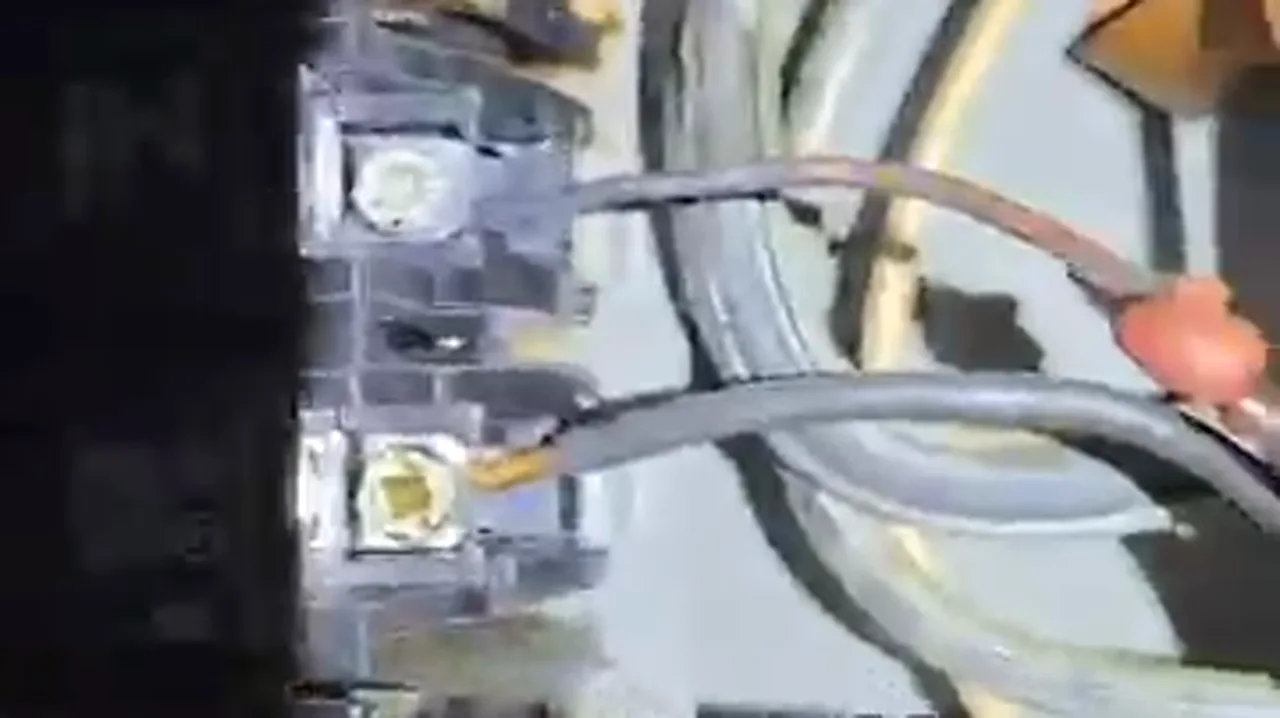
You pull the cover off a panel and the first thing you see is a wood screw threading directly through a bundle of #3 wire. That’s when the inspection stops being routine.
Electrical work attracts confident amateurs more than almost any other trade. The tools are cheap, the permit is optional if you’re willing to gamble, and the mistakes stay hidden behind drywall and deadfronts until something burns. What follows are four things I’ve actually found in the field — not hypotheticals, not textbook failures, but real panels and real wiring in real houses.
The Wrong Screw in the Right Place
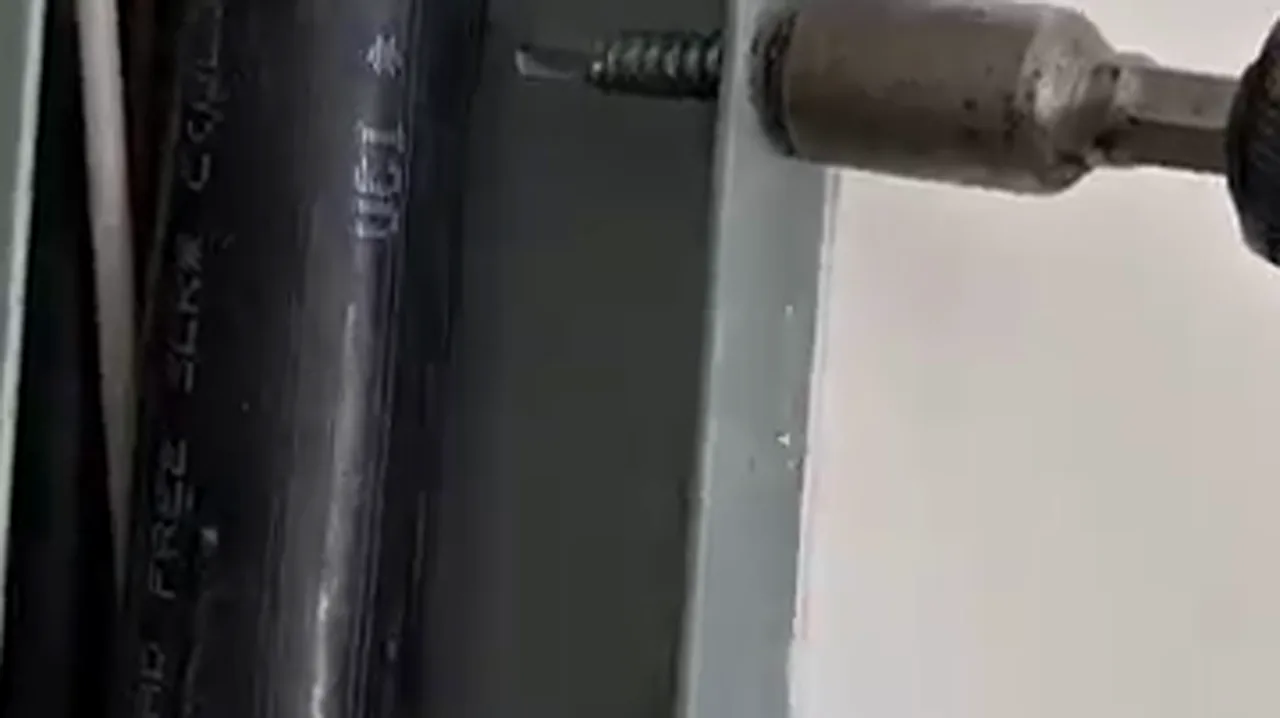
A pointed screw has no business inside a breaker panel. Ever. I don’t care if it’s holding a deadfront cover, a mounting bracket, or anything else. The moment a pointed screw enters a panel, it’s threading toward live conductors — and in a 400-amp service, the wire gauges running through that enclosure are thick, but a screw tip doesn’t need much purchase to pierce insulation and nick a conductor.
Nick a conductor carrying 400-amp service capacity and you’ve created a fault path that will find the first available ground. That might be the panel enclosure. That might be whoever’s touching the panel enclosure. Blunt-tipped machine screws are code for a reason: they push wire out of the way instead of into it. Pointed screws don’t ask permission.
I see this most often on panel covers that got replaced, usually by someone who grabbed the nearest screw off the workbench instead of using the hardware the manufacturer supplied. The hardware exists in a little bag inside the panel. Use the bag.
The Moved Panel and the Box That Paid for It
Sometime in this house’s history, someone relocated the panel a few feet to the left. The conduit run from the meter was already pulled. The branch wiring was already stubbed in. Moving the panel meant every conductor came up short.
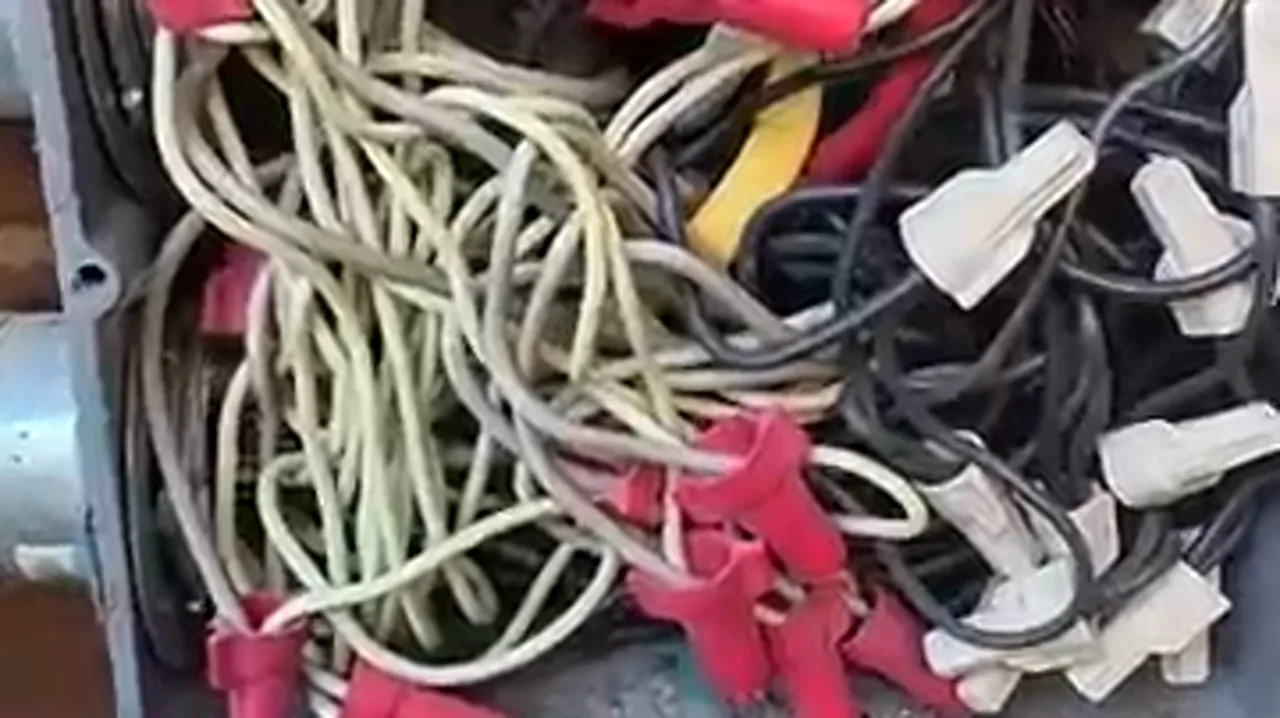
So instead of pulling new wire — or cutting new conduit — whoever did this stuffed every splice they could into the smallest box available. The result: a single enclosure packed with wire nuts and folded conductors that had no room to breathe.
There are two compounding failure modes here. First, the box fill: the National Electrical Code calculates how many conductors, splices, and fittings can safely occupy a given cubic-inch volume. Exceed it and you’re bending wire past its minimum bend radius, creating stress fractures in copper, and trapping heat. Second, the conduit feeding the panel was packed the same way — conductors jammed so tightly together that the fill percentage was well past the 40% threshold the code allows for a reason.
Overfilled conduit heats up under load. When it heats up, the PVC insulation on each individual conductor softens and migrates. Conductors that were separated by insulation start touching. Insulation that was rated for a certain temperature rating gets degraded to something lower. And the splices in that overcrowded box? They’re already working harder than they should because heat weakens the mechanical connection inside every wire nut.
A properly sized junction box — at minimum double the cubic-inch volume used — and a correctly sized conduit would have solved both problems. This was not done by someone who knew the rules. You can tell by looking at it.
What a 200-Year-Old House Does to Your Assumptions
Then there are the finds that don’t fit a category, and this is one of them.
I’m in a house that dates back roughly 200 years. Not 1985. Not 1960. Two centuries. And I’m looking at wood framing that is — measurably, verifiably — electrified. Live voltage in the wood itself.
In a house this old, the wiring history is layered. Knob-and-tube was the first electrical system. Then someone added circuits. Then someone else did. Then someone ran a new service. Each generation of work was done over, around, and sometimes through whatever the previous generation left. Ceramic insulators fail. Cloth insulation turns to dust. A conductor that’s been stapled to a joist for 80 years can wear through its insulation at the staple point and make direct contact with the wood.
Wood isn’t a good conductor, but it isn’t a perfect insulator either — especially old wood that’s absorbed decades of humidity cycles. Under the right conditions, a compromised wire in contact with damp old timber will energize that timber. The timber then energizes anything touching it: the next joist over, the subfloor above, the metal hanger attached to it.
There is no simple fix here. You don’t just replace the one bad wire. You trace every conductor in that vicinity, test everything, and treat the whole assembly as suspect until proven otherwise. A house with 200 years of electrical generations stacked on top of each other has secrets, and some of them bite.
What All Four Have in Common
The pointed screw, the crammed junction box, the moved panel, the live wood — none of these required exotic failure modes. No manufacturing defect, no freak weather event, no material that was secretly bad from the factory. Every one of these was a decision someone made. A screw grabbed from the wrong bin. A relocation done without pulling new wire. Generations of wiring added without removing what came before.
Amateur electrical work doesn’t announce itself. It hides behind a deadfront cover and waits. The inspection exists to find it before the alternative does.