
The Strange
The 100-year-old houses that refuse to die
Why pre-WWII construction outlasts modern spec homes, and the building science behind it.
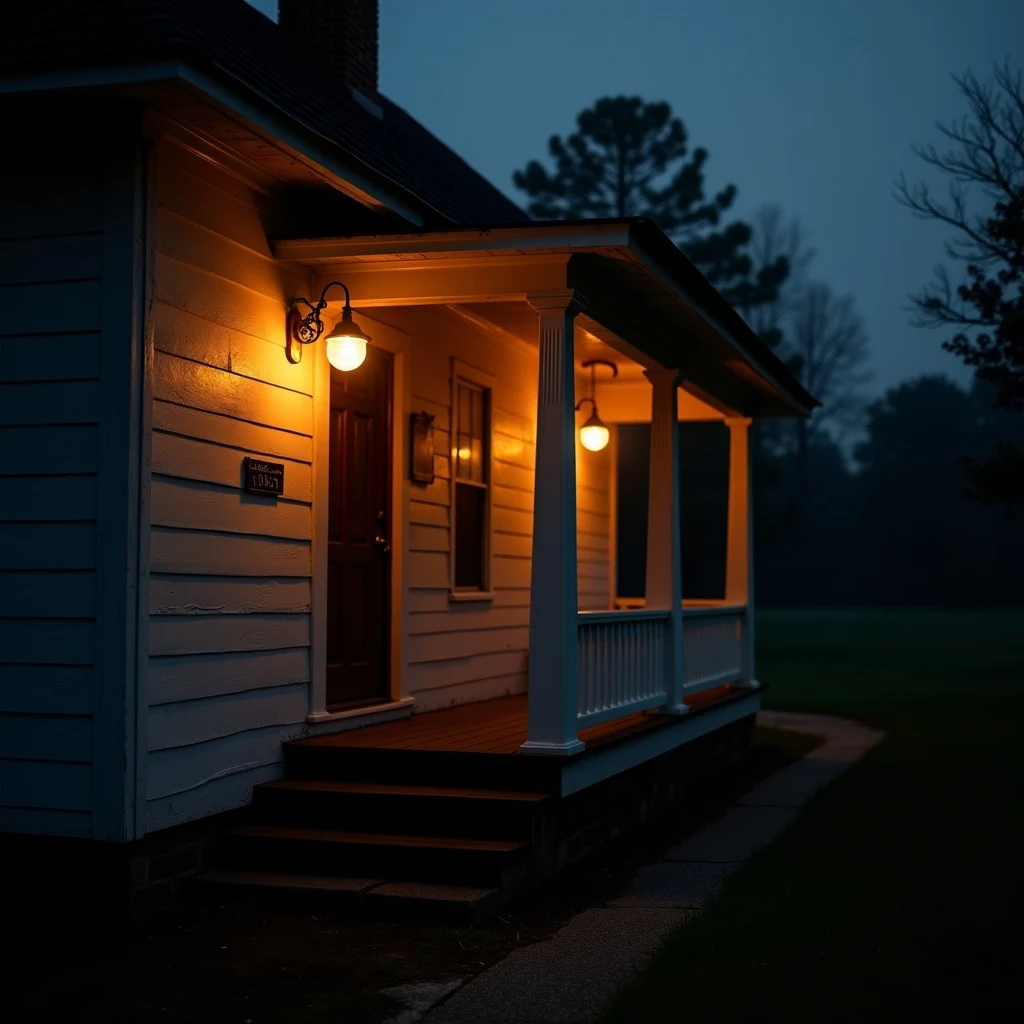
I’ve inspected thousands of houses. Without exception, the ones from before WWII are still standing, still solid, and still going to be standing in another fifty years. The 2003 spec homes I look at? Half of them are already on borrowed time.
This isn’t nostalgia. It’s physics.
What changed in 1945
Before 1945, residential construction was governed by what materials existed locally and what tradespeople knew how to do. Old-growth lumber. Plaster on lath. Cast-iron pipes. Heavy framing because lumber was cheap, fasteners were expensive, and labor was patient.
After 1945, the housing boom happened. Suburbs needed to be built fast. Three things changed simultaneously:
- Lumber moved from old-growth to second-growth — same species name, but the wood is dramatically less dense
- Sheetrock replaced plaster — faster, cheaper, but no thermal mass and no built-in moisture buffering
- Building paper replaced asphalt-impregnated kraft — vapor permeability changed in ways nobody fully understood for decades
The density problem
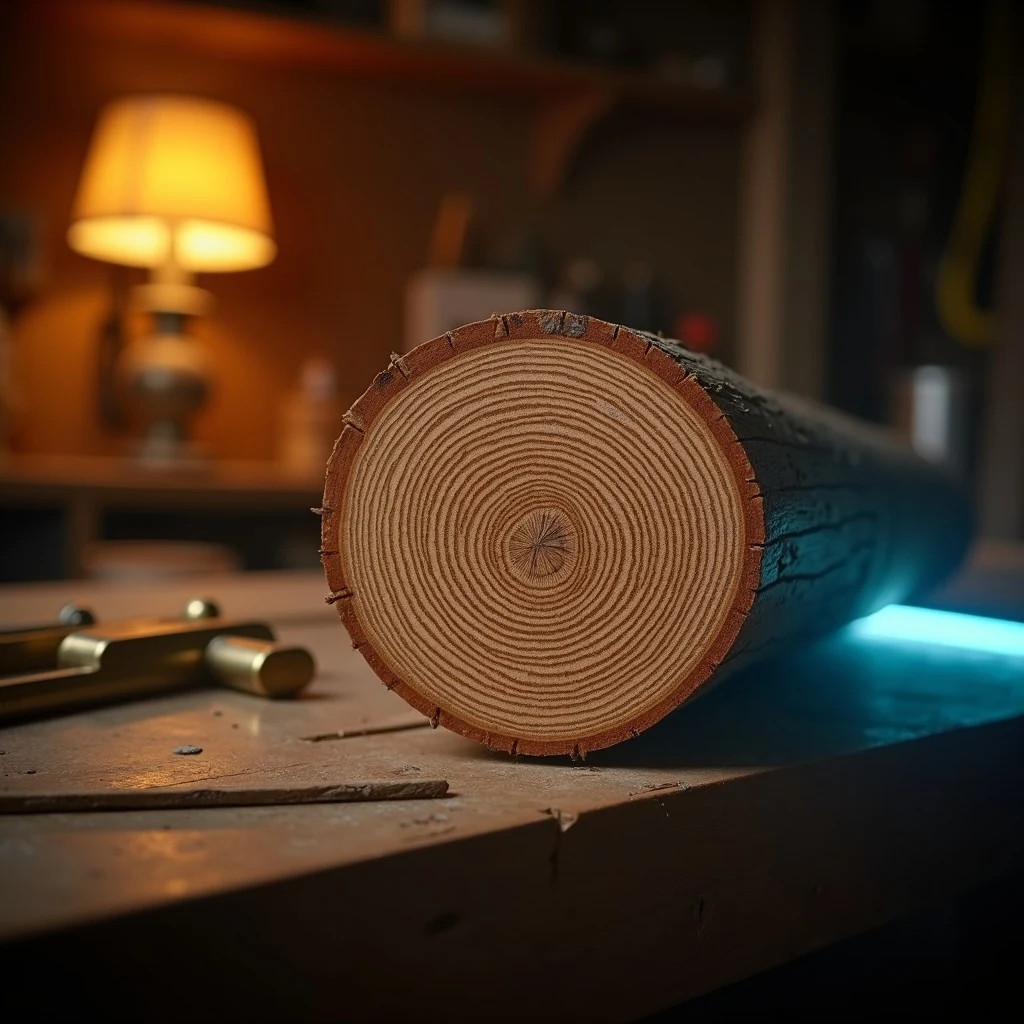
Old-growth Douglas fir from a 200-year-old tree has something like 25 growth rings per inch. A modern 2x4 from a 30-year-old farmed tree has 4-6 rings per inch. Same species, different material. The density difference means the old wood:
- Holds nails three times longer before pulling out
- Resists rot longer because the cells are tighter
- Has a higher modulus of elasticity — it sags less
- Doesn’t twist as it dries
A 1925 floor joist made of old-growth pine is doing a structural job that the 2003 equivalent literally can’t do without an engineered I-joist.
The thermal mass problem
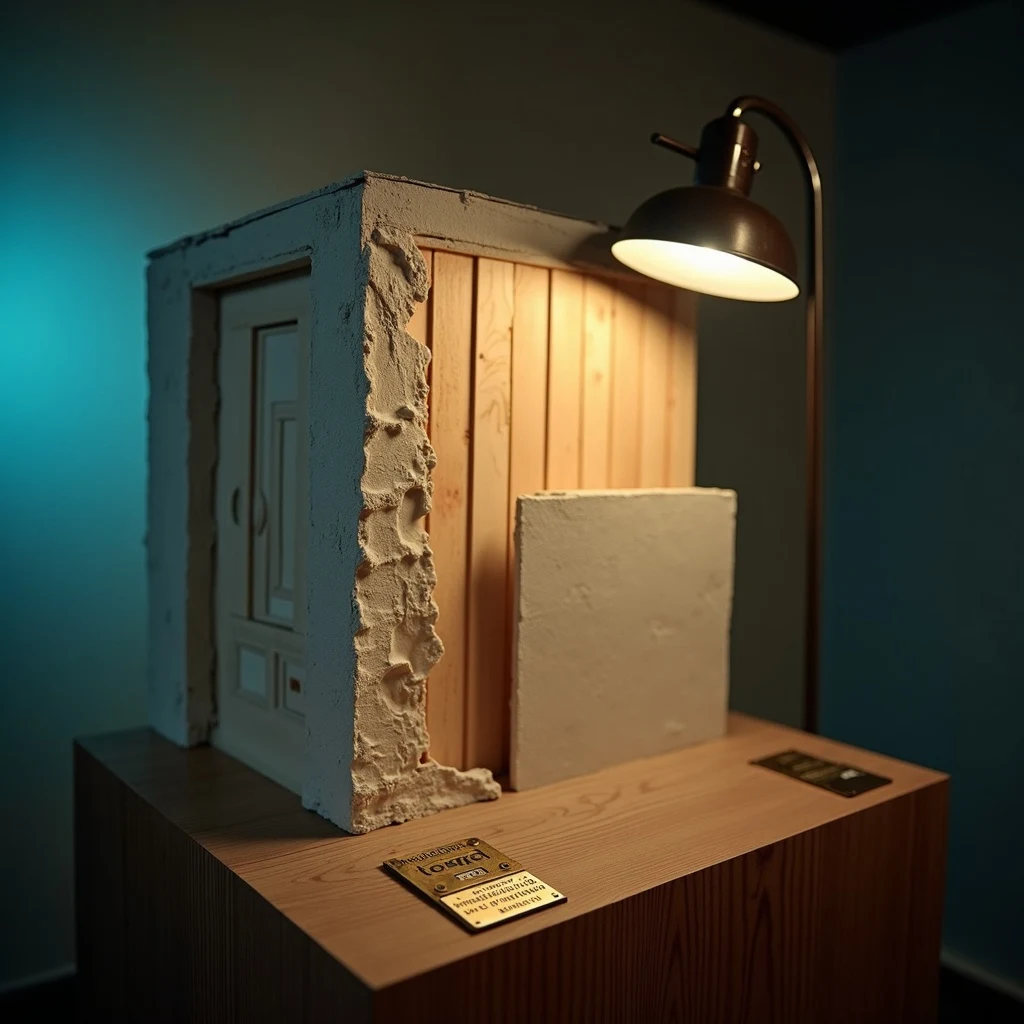
Plaster walls have something modern walls don’t: mass. Multiple inches of plaster on lath, on top of solid wood lath strips, on top of solid framing. The whole assembly weighs hundreds of pounds per square foot.
That mass holds temperature. In summer, it absorbs daytime heat and releases it at night. In winter, it does the inverse. Houses with plaster walls are thermally stable in a way modern drywall houses aren’t, even with better insulation.
You feel this when you walk into an old house and it’s somehow cooler than outside even with no AC running. That’s the mass talking.
The breathability problem
Modern construction is sealed. Tyvek wrap, vapor barriers, foam everywhere. The house is engineered to keep moisture out and conditioned air in.
Pre-1945 construction couldn’t do that — the materials weren’t airtight. So it leaked, in a controlled way. Moisture that got into walls evaporated back out within hours. Mold needed dwell time the construction wouldn’t allow.
Modern walls trap moisture. When something does go wrong — a pinhole leak, a roof problem, a flashing failure — water sits inside the assembly for weeks. By the time anyone notices the stain on the drywall, the framing is rotten.

So what do we do about it?
You can’t replicate old-growth lumber. You can’t put plaster on a modern budget. But you can:
- Specify denser-grain lumber when you have the choice — it’s available, just expensive
- Pay attention to vapor barriers being on the right side for your climate
- Build in drying paths — the assembly should be able to dry to somewhere
- Use thermal mass deliberately — concrete floors, brick interior walls, masonry fireplaces. They cost more up front. They pay back forever.
The houses that are still standing in 2126 will be the ones we build the way our great-grandparents built them: heavy, breathable, with materials chosen for permanence instead of margins.
The full episode walks through three local examples and the inspection numbers behind them. Watch on YouTube →