
Field Notes
What a hot attic is actually telling you
Sap dripping from pine rafters, cooked shingles, and three roof failure points that show up on every problem inspection.
Episodes in this article (3)
This piece synthesizes a series of short episodes. Each thumbnail below opens its source on YouTube.


Stick your hand into the attic hatch on a July afternoon and feel whether the air burns your skin. If it does, the ventilation is failing — and the shingles are paying for it.
The sap test
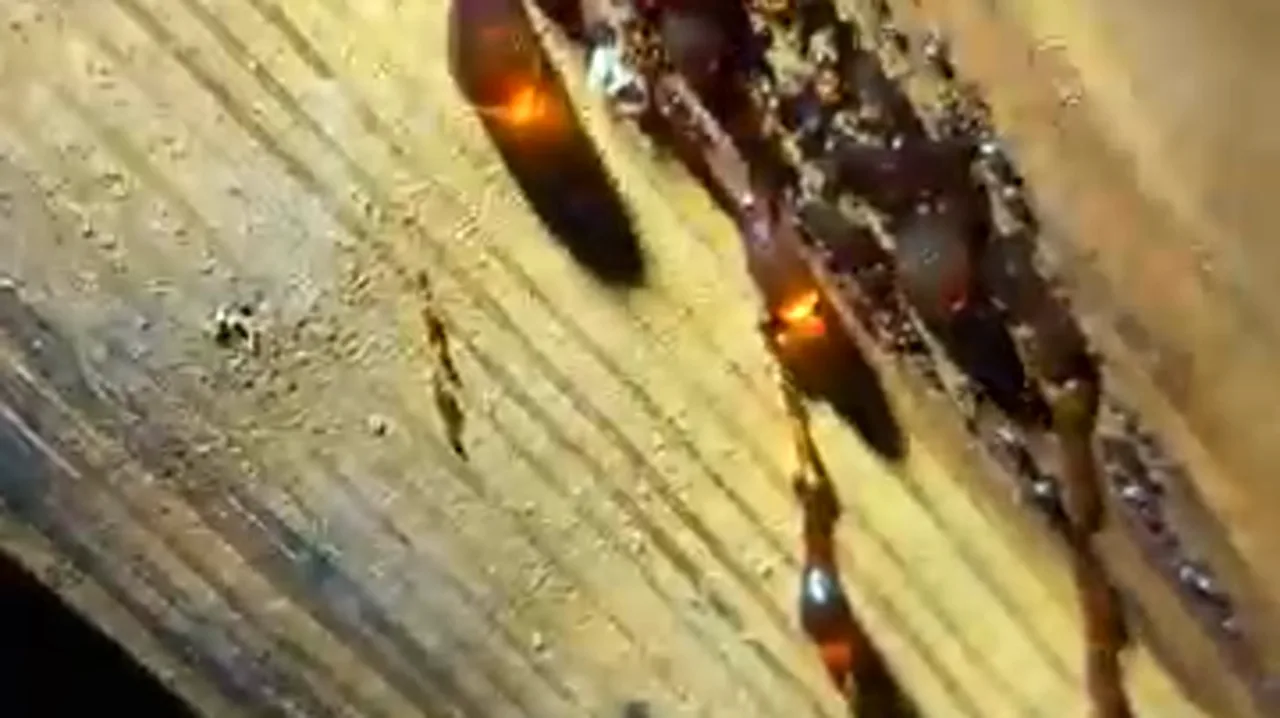
There’s a field indicator I use that no instrument can beat: pitch dripping from pine rafters. When attic temperatures get high enough to liquefy pine sap, you’re looking at 140°F–160°F sustained heat in that space. That’s not an edge case. That’s a common finding in houses where the ventilation was either installed wrong or never installed at all.
High attic temperatures don’t just make the upstairs bedroom uncomfortable. They cook the underside of your shingle deck from below while the sun cooks the top surface simultaneously. Asphalt shingles are rated for a service life that assumes reasonably controlled attic temperatures. When you run them hot on both sides, you’re cutting that service life by a third or more. The granules bake loose faster. The mat becomes brittle. A shingle that should last 25 years is done in 15.
Moisture is the second consequence. Hot air holds a lot of water vapor. When that air finally cools at night, it drops its moisture load on every wood surface it contacts — rafters, decking, the back of the ridge board. Do that several thousand times over a decade and you’ve got a rot and mold problem that started in the attic and is working its way down.
Where the ventilation is actually failing
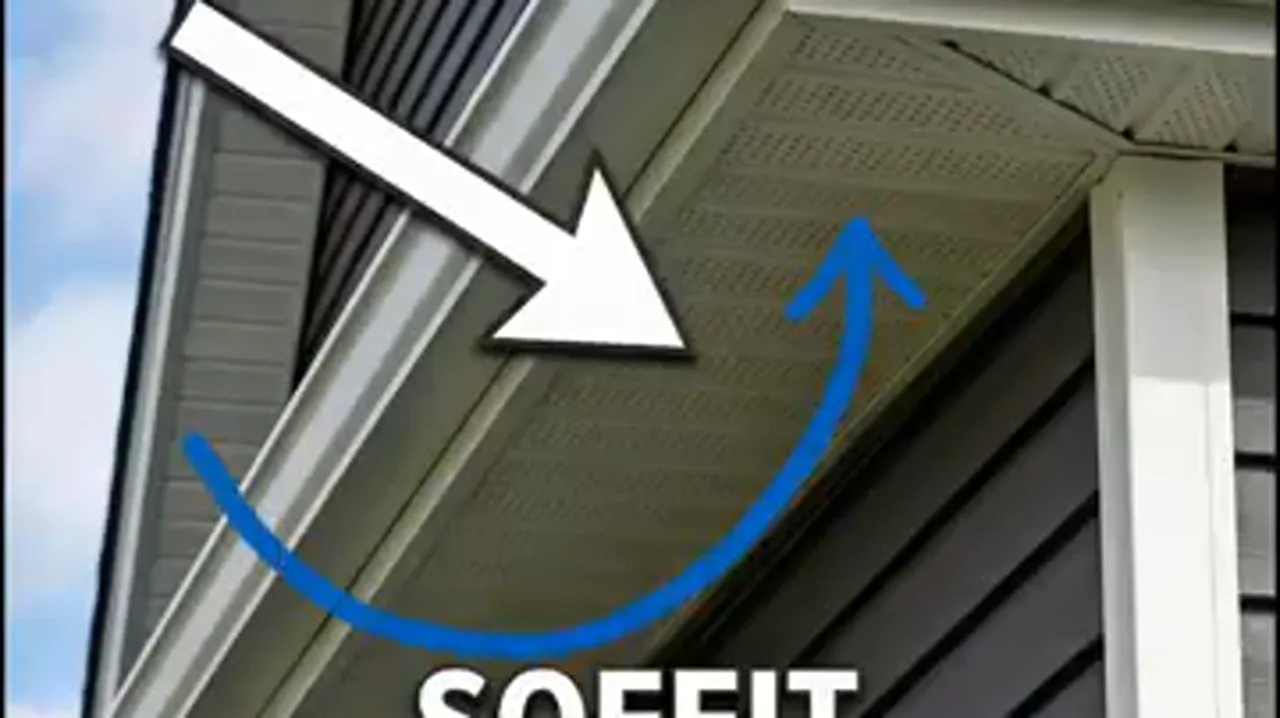
The system that’s supposed to prevent all of this is passive convection: cool outside air enters at the soffits, travels up through the attic cavity, picks up heat and moisture, and exits through ridge vents, turbines, or gable vents near the peak. The physics only work if both ends of the path are open and positioned correctly.
Turbine vents — the spinning kind — should be located within two feet of the highest point of the roof section they serve. Higher placement means they’re pulling air from the full height of the attic cavity. Drop them three or four feet below the ridge and the hot zone above them just sits there, stagnant. Multiple turbines on the same ridge should be evenly spaced; clump them together and you get dead zones between.
The failure I find most often isn’t a broken vent. It’s a roof section that has no exhaust vent at all. An addition gets added to the back of a house. A dormer gets framed in. The roofline gets complicated. The roofer installs shingles and moves on, and nobody asks whether that new section has its own intake and exhaust path. It doesn’t. The air in that cavity has nowhere to go and it cooks everything inside it.
Soffit vents get blocked from the inside when someone blows insulation into the attic and buries the eaves. Now there’s no intake, the turbines are spinning and pulling nothing, and the whole system goes negative.
Three things on every roof inspection
Ventilation is the invisible problem. The visible problems announce themselves. When I’m walking a roof, three categories account for most of what I write up.
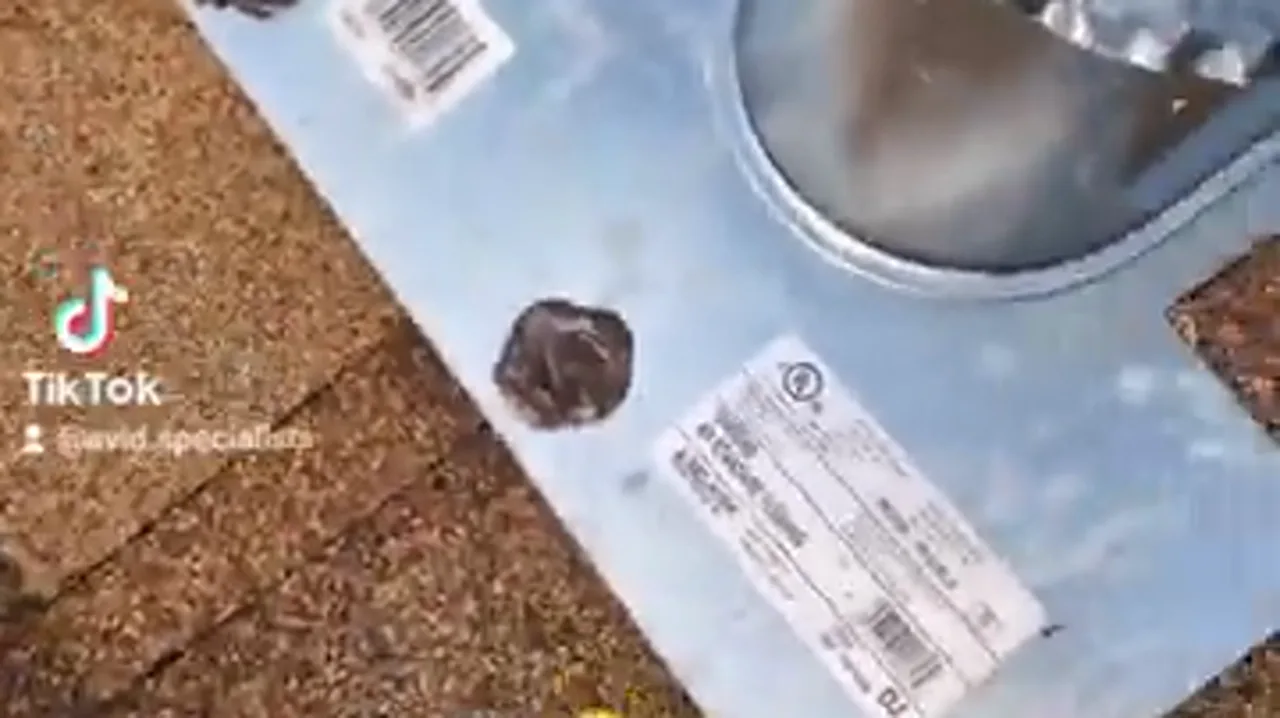
Penetration seals come first. Every pipe boot, every flashing collar, every fastener head that breaks the plane of the shingle is a potential water entry point. I’m checking that the sealant hasn’t cracked and pulled away from the penetration, that the fastener heads are embedded and sealed rather than backed out, and that the flashing laps correctly — water sheds over the lower edge, not under it. A fastener that’s backed out a quarter inch and lost its sealant bead is a drip that runs straight into the sheathing with every rain.
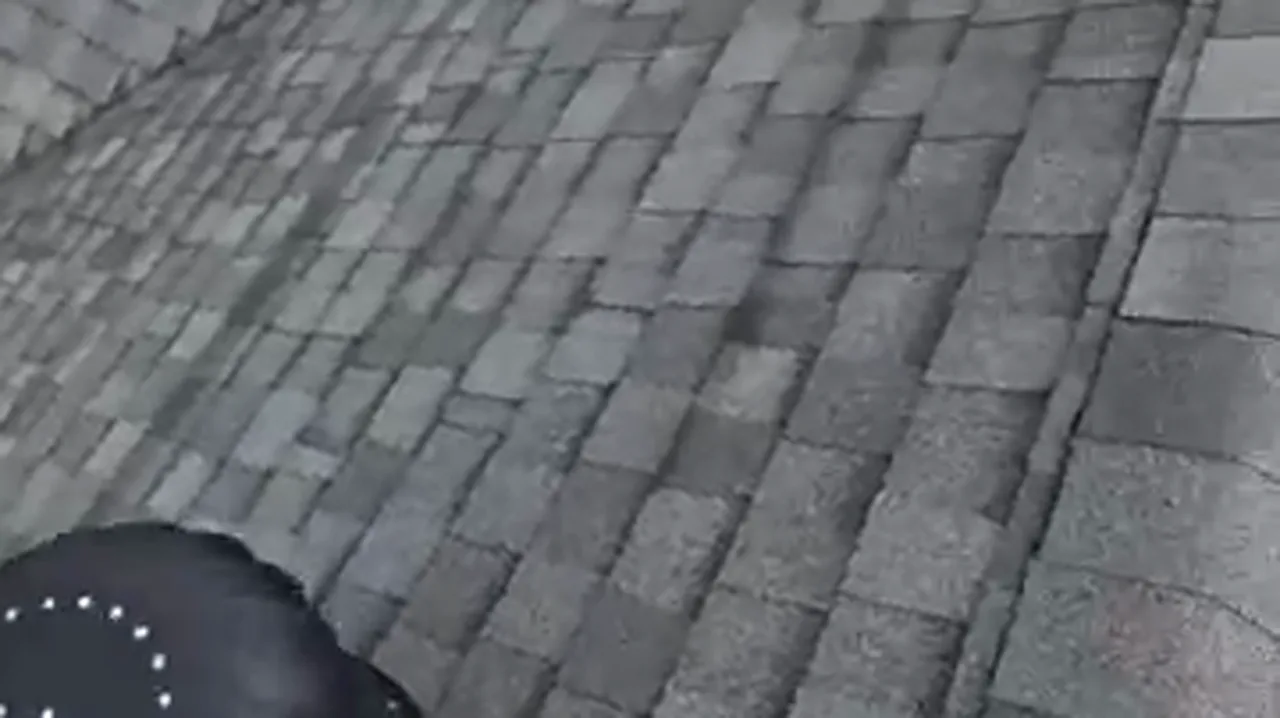
Shingle condition comes second. Cracked, cupped, or missing shingles are obvious. What’s less obvious is the granule loss pattern — if you see bare mat on a roof that’s only twelve years old, that’s the accelerated aging that chronic overheating produces. Those bare patches aren’t cosmetic. They’re the mat itself degrading, and once the mat goes, so does the water barrier.
Tree proximity comes third, and homeowners underestimate it. A crape myrtle that hangs two feet over the edge of the eave seems harmless. It isn’t. Branches that rub against shingles in wind abrade the granule layer — same failure mode as heat, different cause. Persistent leaf cover and shade create the damp, dark conditions that algae colonies need to establish. Algae don’t structurally damage shingles immediately, but the black streaking is organic growth feeding on the limestone filler in the asphalt, and over years it accelerates weathering. Bigger limbs that contact the roof during storms can crack shingles outright or, on a bad night, puncture the deck.
The roof is the one system on a house that fails expensively and quietly at the same time. The leak shows up on the ceiling months or years after the entry point opened. By then the sheathing is soft, the framing is stained, and the repair scope has tripled. Ventilation, penetrations, shingle condition, trees — those four things, caught early, keep a roof in the category of maintenance rather than emergency.